
Six Common Mistakes When Building Approval Flows
Build a clear and traceable approval process that adds control without slowing work down.
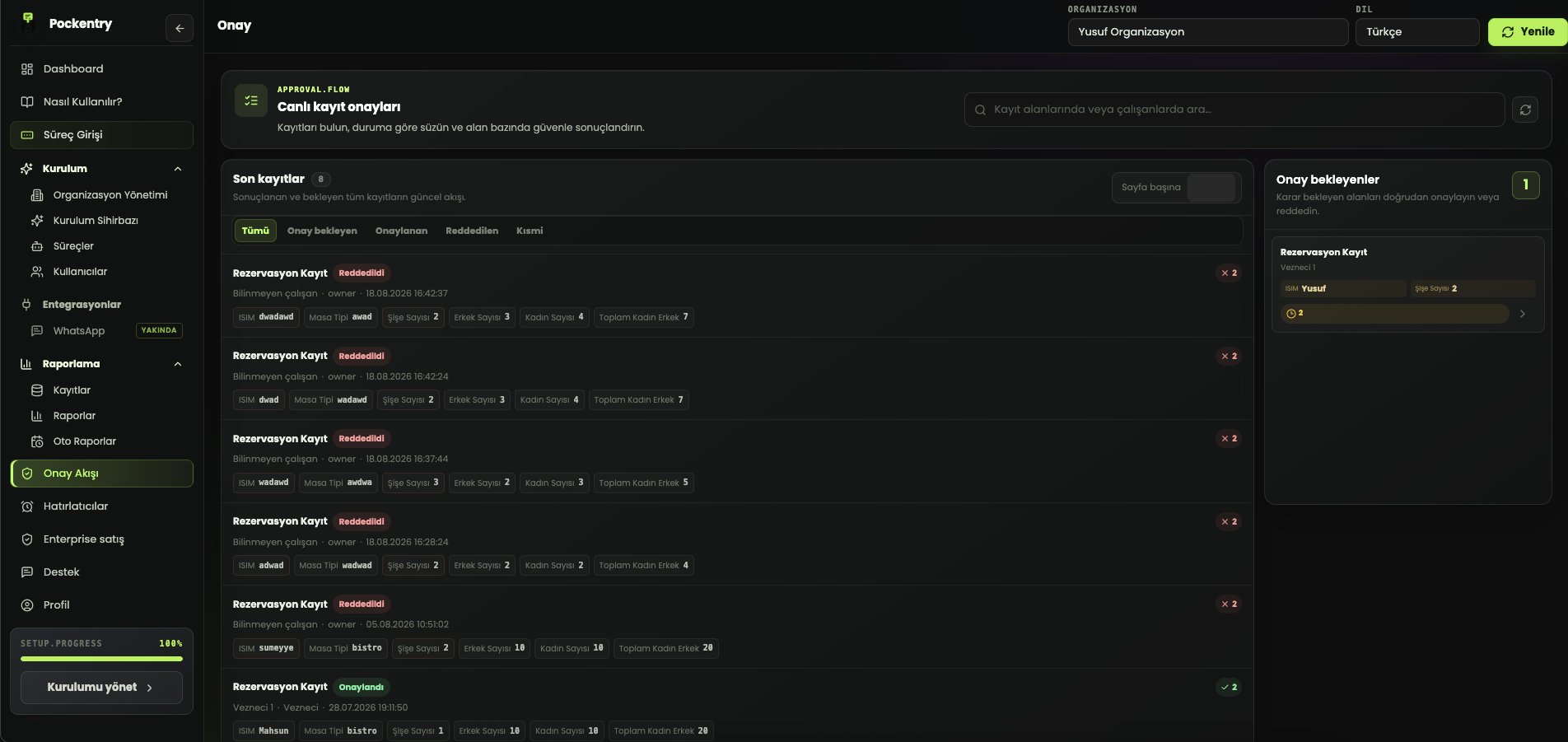
Approvals protect risky decisions; they should not place every activity in front of a manager. Too much approval encourages people to bypass the system, while too little allows incorrect records to affect reports and decisions.
1. Sending every record for approval
Routine and reversible records can continue automatically. Reserve approval for genuinely risky cases such as high-value expenses, inventory corrections, leave or delivery exceptions.
2. Leaving ownership unclear
“A manager will review it” leaves pending work without an owner. Define the deciding role and the fallback before the workflow launches.
3. Asking for a decision without enough context
Amount, description, owner, date and supporting evidence should appear together. Making the approver search across screens delays the decision.
4. Not recording a rejection reason
A rejected state alone does not improve the process. A short reason guides the submitter and makes repeated problems reportable.
5. Ignoring waiting time
The age of pending work matters as much as its volume. Set reminders and ownership rules for approval delays.
6. Losing decision history
Previous decisions are part of operational memory. Pockentry keeps record states and approval outcomes visible, showing who made each decision and when.